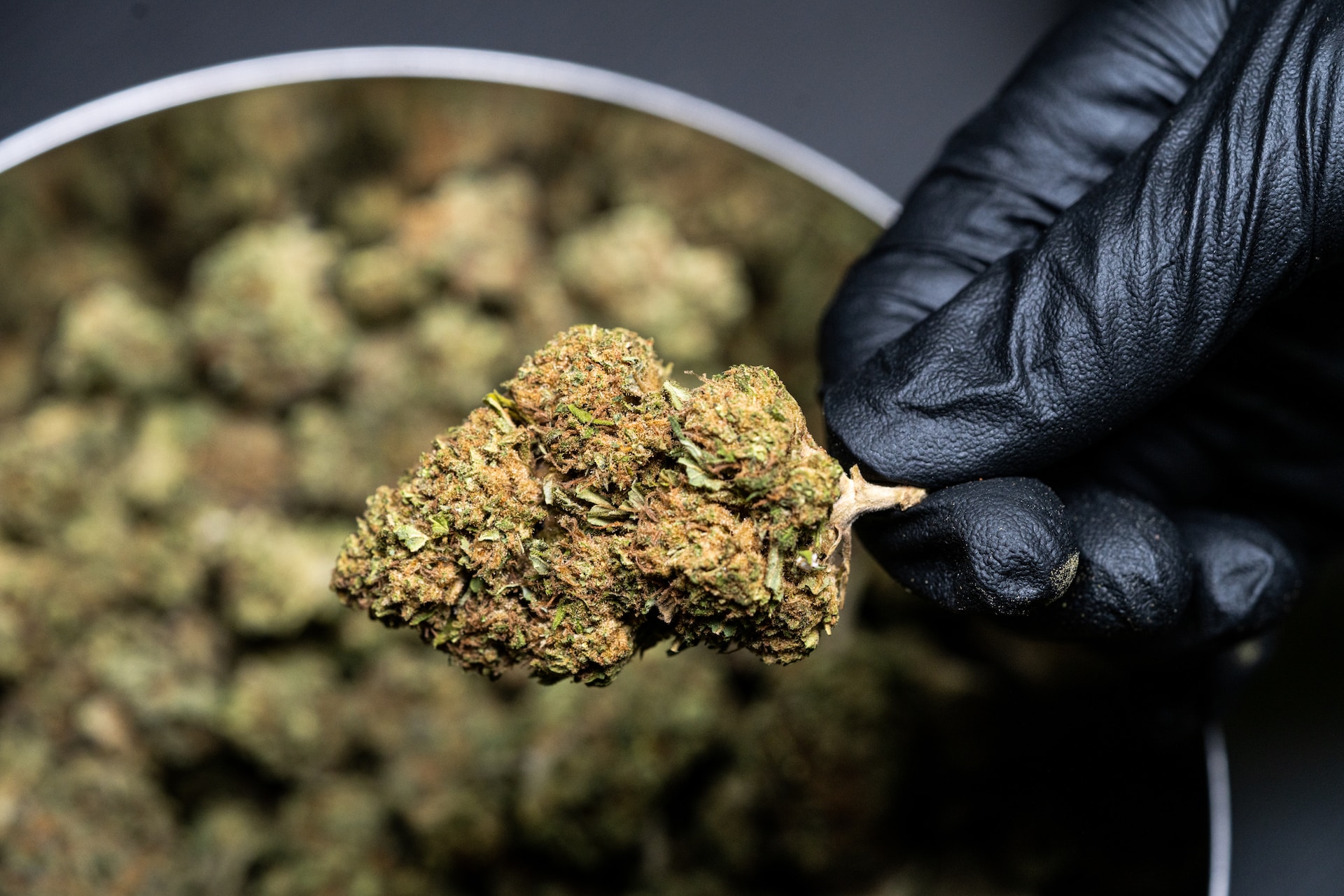
Cannabis continues to grow in popularity as more states legalize its use as a medical or recreational drug. Cannabis is still illegal at the federal level, but many health experts and researchers disagree with this decision by the US Drug Enforcement Administration (DEA). Although more peer-reviewed clinical research is needed, many studies support cannabis as a legitimate and safe medicine when used properly under professional supervision. Learn more about the different medical conditions that cannabis can help treat, and what industry experts have to say about using cannabis.
What is cannabis?
Cannabis sativa, or cannabis, is a complex plant of the Cannabaceae family. It contains about 540 chemical compounds, including more than 100 cannabinoids, the best known of which are tetrahydrocannabinol (THC) and cannabidiol (CBD).
The term “marijuana” refers to the part of the cannabis plant that is high in THC. Currently, hemp describes the part of the cannabis plant that contains less than 0.3% THC by dry weight, according to the US federal government.
THC is the compound that gives cannabis its name as a highly toxic psychoactive drug due to the effects of euphoria, anxiety reduction, and increased relaxation it causes. THC and other cannabinoids in the cannabis plant can have psychoactive effects on the human body because of the way they interact with the endocannabinoid system, which regulates pain, appetite and stress response, Daniele Piomelli, Ph.D., director the company explains. for cannabis studies at the University of California, Irvine.
Potential Health Benefits of Cannabis
New research supports the many health benefits of THC containing cannabis (as opposed to cannabis only CBD).
Managing the side effects of chemotherapy
The United States Food and Drug Administration (FDA) has approved several prescription drugs that contain a synthetic substance similar to THC to help people cope with the side effects that are common during chemotherapy. Both Marinol and Syndros contain dronabinol (synthetic THC), used to treat nausea and vomiting. Meanwhile, Cesamet contains nabilone, another synthetic substance similar to THC, and is used to treat nausea and vomiting, as well as appetite and weight loss in HIV/AIDS patients.
Management of spasticity associated with multiple sclerosis
Sativex, an oral injection available by prescription, contains both THC and CBD and is used in 25 countries to help treat stiffness and spasms caused by multiple sclerosis. In Canada especially, Sativex is used as an adjunctive therapy (alongside the primary treatment) in older patients who have not responded well to other treatments and who have shown significant improvement during the first trial. In the United States, Sativex is still being tested as a treatment for adults with spasticity associated with multiple sclerosis.
Fight against chronic pain
Data show that drugs that combine THC and CBD can be effective in treating chronic pain, especially neuropathic pain (pain caused by nerve damage), nociceptive pain (pain that goes to progressive face and associated damage).) the activity of pain-related emotional pathways), according to a 2022 study of clinical research studies. The researchers added that combinations of cannabinoids are generally easier to tolerate, safer and less addictive than opioid-based painkillers.
Improve sleep quality
A 2018 study in Sleep found that people with obstructive sleep apnea (OSA) who took dronabinol (Synthetic THC) before bed reduced the number of times their breathing stopped during sleep. The 10-milligram regimen performed better than the 2.5-milligram placebo. The participants also experienced a stronger sense of sleep.
Another 2014 study in the Journal of Clinical Sleep Medicine also found a link between the use of dronabinol and better sleep-in patients with OSA.